Portugal · Open-air rock art
The Côa Valley: choosing rock-art sites and visiting at an unhurried pace
A visit to the Côa Valley is best planned around light, terrain and the time available: museum first, one or two sites afterwards, and logistics arranged in advance.
Conditions described in the guide: confirm current requirements and access with the official source before travelling.
In northeastern Portugal, where the Côa and Douro rivers meet, the engravings do not appear behind glass or at the end of a signposted trail: they remain on schist outcrops within an agricultural and river landscape. The Côa Valley Archaeological Park protects one of the Iberian Peninsula’s great collections of open-air Palaeolithic art; for that reason, the visit depends on guides, park vehicles and the light falling on the rock. The most useful decision is not to try to see everything, but to choose the site that best suits your mobility, curiosity and time.
The Côa Museum does not replace the outdoor experience, but it is an especially valuable preparation: it helps visitors recognise techniques, animals and superimpositions before facing panels that may seem understated at first glance. Allow time for both parts and avoid treating the valley as a quick stop from the Douro.
Start with the museum and learn how to look
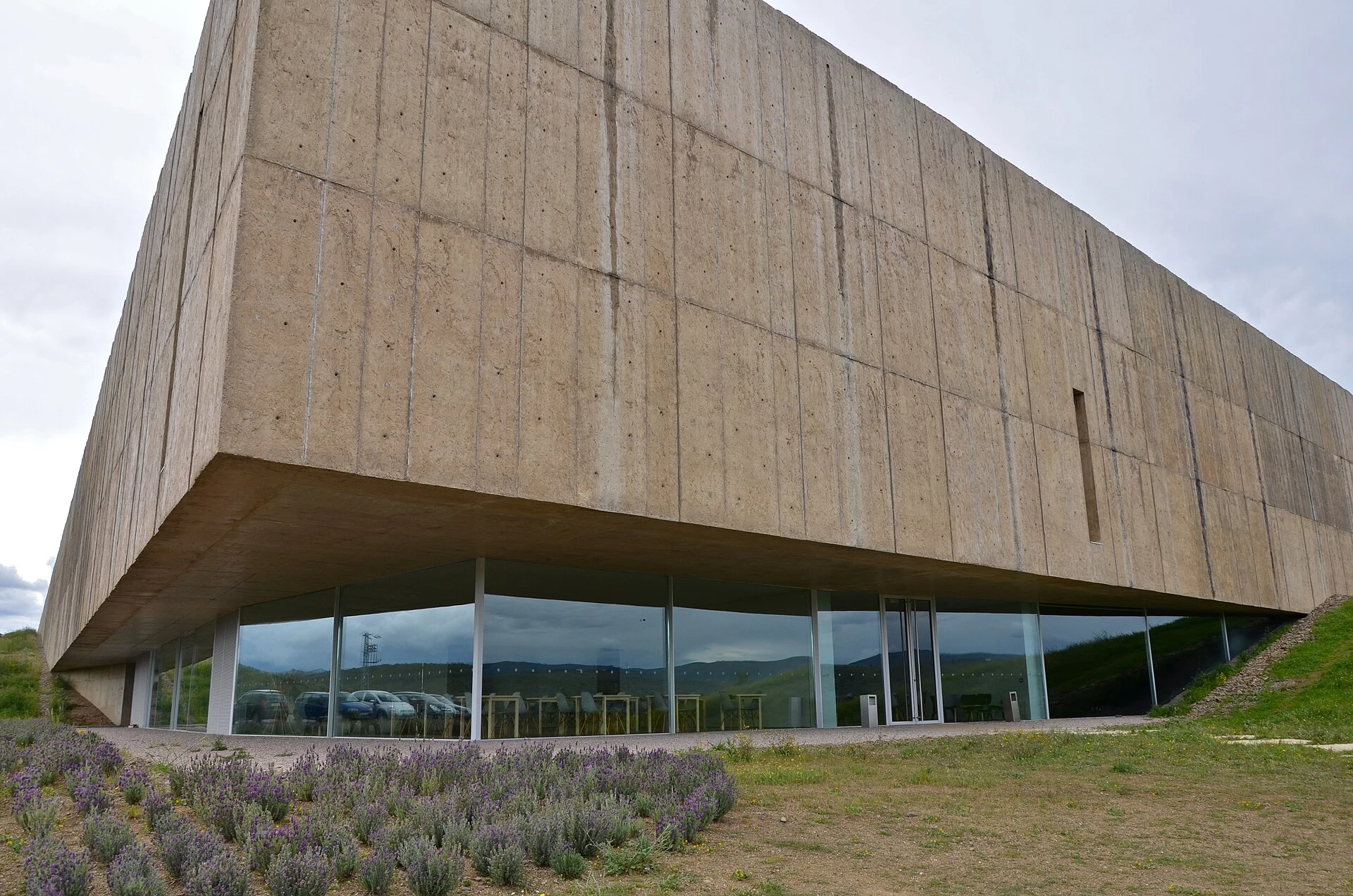
The Côa Museum, above the river’s mouth on the Douro, serves as the valley’s intellectual gateway. Its replicas, portable-art objects and interpretive resources show that the art is not limited to the Palaeolithic: the territory also preserves traces from later periods, including the Iron Age.
This changes the way you experience the park. Instead of looking for one immediate, isolated image, you learn to observe marks, animals, scale and the relationships between rock, light and relief. Give it time before heading to the sites; it is the best alternative if the terrain prevents you from completing a demanding outdoor visit or if that day’s programme does not fit your schedule.
Check before setting out the museum calendar: opening hours vary by season and, from November to March, it closes on Mondays, although visits to the rock-art sites may still go ahead.
Penascosa, Canada do Inferno or Ribeira de Piscos
The three main sites open to the public are visited with specialist accompaniment and in the park’s off-road vehicles. They are not interchangeable: choosing one well usually offers more than stringing together rushed transfers.
Penascosa is the simplest option on foot, with a short, direct route. It suits visitors seeking a first introduction, travelling with limited physical capacity or wanting to focus on reading the panels. It is visited in the afternoon, when the rocks’ orientation favours observation.
Canada do Inferno involves a somewhat longer route with stairs. It is a good choice if you want to combine proximity to Vila Nova de Foz Côa with a more pronounced valley experience. Visits are scheduled in the morning, as are those to Ribeira de Piscos.
Ribeira de Piscos requires the greatest willingness to walk: the route is long and winding, and it is not recommended for people with mobility difficulties. In return, it offers a more sustained immersion in the Côa landscape. Considering light and duration, a weekday allows a maximum of two sites: one in the morning and Penascosa in the afternoon.
Organise your arrival without confusing the train with local access
The Douro railway line reaches Pocinho, an appealing arrival point if you are coming from Porto or elsewhere in the valley. However, the station alone does not solve access to the visitor centres or the park’s departure points. Treat the train as one leg of the journey and confirm the final transfer in advance, whether by pre-booked taxi or hire car.
Meeting points matter too: Canada do Inferno and Ribeira de Piscos depart from the Côa Museum, while Penascosa starts at the reception centre in Castelo Melhor. Do not plan all three as though they started from the same place.
The valley combines an inhabited plateau with dry, lightly shaded valley bottoms. Carry water, sun protection and stable footwear in hot weather; in rain or cold, bring a waterproof layer. These are practical measures for an outdoor visit, not a substitute for checking the forecast and the park’s current guidance.
A two-layer rhythm for understanding the valley
If you have a full day, combine the museum and one rock-art site. It is the most robust format for visitors arriving by train, those who do not want to drive rural roads or anyone wishing to limit physical exertion. With two days, add a second site in a different light period—for example, a morning visit and Penascosa on another afternoon.
The Côa Passadiços, which link the museum area with the lower section via around 930 metres of walkways and overcome a substantial change in elevation, can help you grasp the scale of the meeting between the Côa and Douro. They are not a shortcut to the panels, nor an activity that should be added automatically: the gradient means they are best reserved for visitors who want to walk and have enough energy to spare.
Protecting the site is not merely administrative window dressing. Guided access, visitor quotas and the choice of visiting times respond to both conservation and the visibility of the engravings. Accepting a less crammed programme helps make the experience more attentive and compatible with that care.
Sources to check before travelling
- Fundação Côa Parque — “Visita guiada ao Parque” and “Horários e Preços”. Check departures, meeting points, capacity, terrain conditions, fees and the current calendar.
- Fundação Côa Parque — “Visita ao Museu”. Review exhibitions, visit formats and possible guided activities.
- Comboios de Portugal — Douro Line timetables. Check current trains to and from Pocinho and whether they fit with local transfers.
- UNESCO — Prehistoric Rock-Art Sites in the Côa Valley and Siega Verde. Provides the historical and heritage framework for the listed site.
- Turismo de Portugal — Côa Valley Archaeological Park and Côa Passadiços. Use it to cross-check the destination’s general orientation and the walkway route.
References consulted during editorial review. Times, requirements and advisories may change: always confirm with the official source.
- https://www.visitportugal.com/en/content/parque-arqueologico-do-vale-do-coa www.visitportugal.com
- https://whc.unesco.org/en/list/866 whc.unesco.org
- https://whc.unesco.org/en/list/866/documents whc.unesco.org
- https://www.visitportugal.com/en/content/lands-of-foz-coa www.visitportugal.com
- https://whc.unesco.org/en/list/866/gallery/ whc.unesco.org
- https://arte-coa.pt/en/visit/guided-visit-to-the-park/ arte-coa.pt
- https://www.visitportugal.com/en/content/discovering-porto-and-north www.visitportugal.com
- https://www.visitportugal.com/en/content/douro-valley www.visitportugal.com
- Portugal WikidataCC0 1.0 Wikidata · Q45
- Portugal WikidataCC0 1.0 Wikidata · Q14110517
- Portugal WikidataCC0 1.0 Wikidata · Q7232531
- Portugal World Countries — mledozeODbL 1.0 World countries dataset by mledoze and contributors · ODbL 1.0
- Portugal World Bank Open DataCC BY 4.0 World Bank
- Portugal DBpediaCC BY-SA 3.0 DBpedia
- Percursos pedestres e turismo de passeio pedestre em Portugal CrossrefMetadatos públicos; derechos específicos por campo cuando correspondan Crossref
- Cultura y patrimonio como bases para la sostenibilidad CrossrefMetadatos públicos; derechos específicos por campo cuando correspondan Crossref
- As recriações históricas em Portugal: perspetivas e impatos CrossrefMetadatos públicos; derechos específicos por campo cuando correspondan Crossref
- Côa Museum, Rua do Museu, Vila Nova de Foz Côa, Guarda, Portugal OpenStreetMapODbL 1.0; atribución y obligación de compartir bases derivadas. Fuente: OpenStreetMap
- Pocinho GeoNamesDatos geográficos bajo CC BY 4.0; requiere atribución a GeoNames. Fuente: GeoNames
- Pocinho, EM 614, Pocinho, Vila Nova de Foz Côa, Guarda, Portugal OpenStreetMapODbL 1.0; atribución y obligación de compartir bases derivadas. Fuente: OpenStreetMap
- Pocinho, EM 614, Pocinho, Vila Nova de Foz Côa, Guarda, Portugal OpenStreetMapODbL 1.0; atribución y obligación de compartir bases derivadas. Fuente: OpenStreetMap